Navigating the challenging world of healthcare can be overwhelming, and knowing your options for medicinal treatments is vital. Numerous individuals seek more affordable options to brand-name drugs, and generic medications often offer just that. Essentially, generic medicine by a generic drug is a copy of a brand-name pharmaceutical that becomes available after the original patent expires. Crucially, generic medications must meet the identical quality, well-being, and efficacy standards as their brand-name counterparts. They contain the identical active compounds, and are manufactured according to rigorous official rules. This overview will examine the nuances of generic pharmaceuticals, addressing common questions and highlighting the upsides of selecting them.
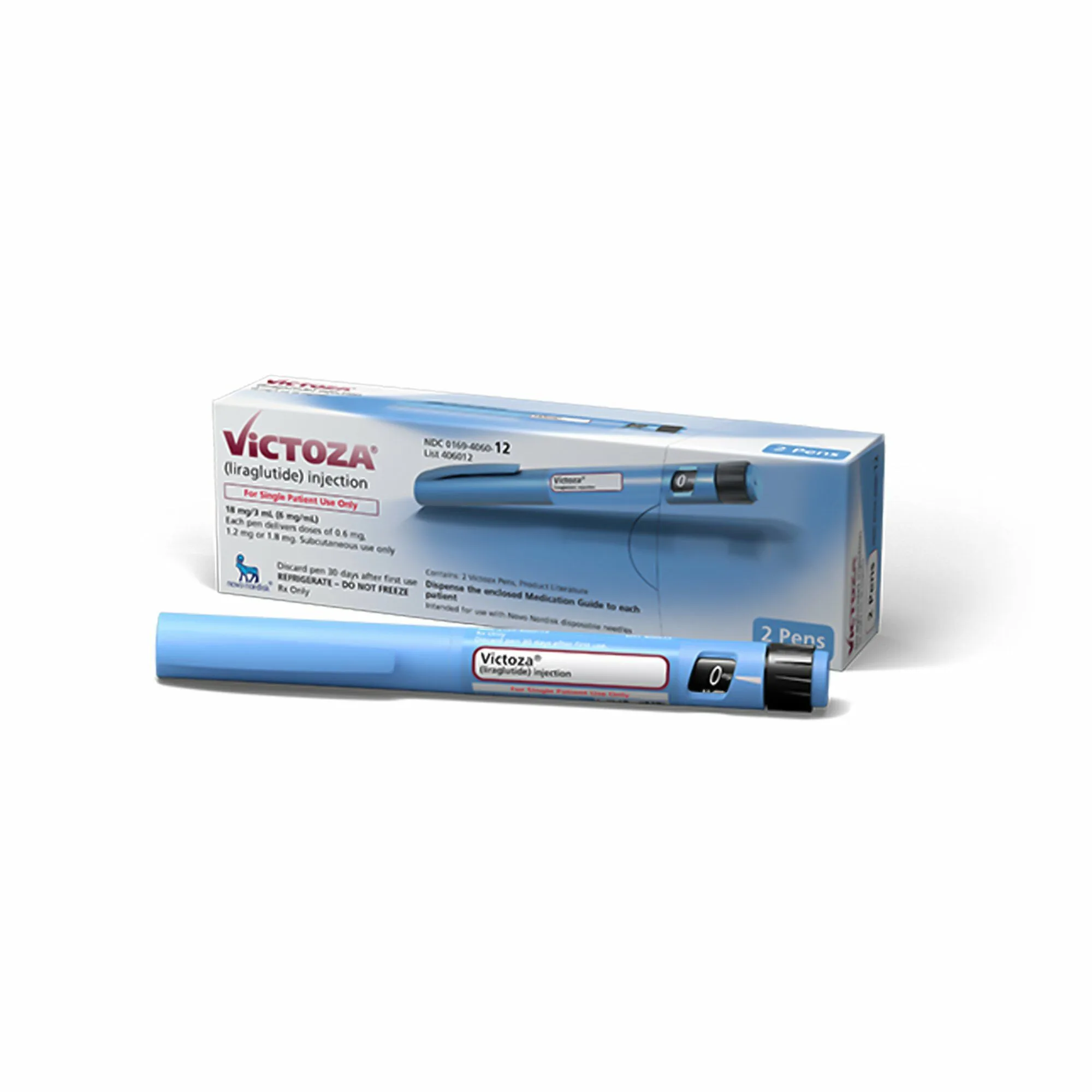
Understanding Generic Drugs: Pricing, Advantages, and Well-being
Generic drugs offer a significant alternative to their brand-name equivalents, primarily because of their reduced value. Once a brand-name drug’s patent expires, other manufacturers can produce and distribute the same essential ingredient in a generic formulation. It’s crucial to know that generic drugs must satisfy the same rigorous standards for potency and safety as brand-name medications, as regulated by agencies like the FDA. While the look might differ—color and inactive additives can vary—the generic provides the same therapeutic effect. Generally, switching to a generic may remarkably reduce healthcare outlays without affecting the patient's health. It's always a good thought to talk with your medical provider about any doubts you may have regarding generic medications.
Exploring Generic Pharmaceuticals
Essentially, generic medications are equivalent versions of original pharmaceuticals. After a proprietary pharmaceutical's patent ends, other manufacturers can produce budget-friendly copies. The key difference lies in the name and the initial price. Generic drugs must contain the same principal compounds, strength, shape (like capsules), and method of administration as their brand-name counterparts. They are rigorously evaluated by regulatory bodies, such as the FDA, to ensure their security and effectiveness. Often, you'll notice that economy medications are significantly less costly due to cut promotion costs and rivalry among manufacturers.
Learning About Frequent Non-Brand Drug Names
Navigating the world of prescriptions can be confusing, especially when dealing with generic versions. Knowing a few typical generic drug names can be surprisingly beneficial! For example, ibuprofen|advil|motrin is frequently used to relieve pain and inflammation|swelling|discomfort. In addition, loratadine|claritin|aerius is a popular antihistamine|allergy medicine|medication to combat allergies|hay fever|seasonal allergic rhinitis. Acetaminophen|paracetamol|Tylenol is a go-to for temperature and pain relief|alleviation|reduction. Keep in mind that while brand names differ, the generic name remains consistent, and often a less economical option for patients. Besides, metoprolol|toprol|Lopressor is a routine medication used to manage heart conditions|cardiac issues|heart problems. These are just a few examples|This is merely a small selection|This list isn't exhaustive – remember to discuss any prescriptions with your healthcare provider before using them.
Understanding the Concept of "Generic" Pharmaceuticals: How They Work
When a medicinal company develops a new name medication, it's initially protected by exclusive rights for a specific period. Once those patents end, other manufacturers can begin producing versions of the same drug. These are known as off-brand drugs, and they are remarkably similar to their original counterparts. They contain the same active substance, are administered in the same way, and have the same intended purpose. The main distinction lies in their price; generics are typically much less expensive because companies don’t have to recover the extensive development costs associated with first drug discovery. They must, however, meet rigorous efficacy standards set by regulatory bodies like the FDA to ensure their well-being and potency.
Reducing Money with Brand-Free Medications
Selecting for economy pharmaceuticals is a remarkably easy method to significantly lower your medical expenses. These substitutes contain the equivalent key ingredients as their proprietary counterparts, but are typically accessible at a small of the price. Talking with your physician or dispenser is always recommended before making the switch, simply ensure there are no likely reactions with other drugs you may be taking and to fully appreciate the upsides. Ultimately, selecting brand-free selections can free up money for other essential purposes.